


Saving $10,000 in one year sounds like a huge goal, especially if you are starting from zero. But when you break it into smaller pieces, it becomes a clear weekly target you can plan around. In this guide, you will learn how to save 10k in a year step by step, with the exact numbers per paycheck, 12 practical strategies, and a few savings challenges that make the process easier to stick with.
Quick Answer: To save $10,000 in a year, you need to set aside about $833 a month, $385 per biweekly paycheck, or $192 a week. The secret to how to save 10k in a year is automation: move money to a separate high-yield savings account every payday, cut your biggest expenses, save every windfall, and add a side hustle for extra income.
Table of Contents
How Much Do You Need to Save to Reach $10K in a Year?

The first step in learning how to save 10k in a year is turning one big number into small, regular amounts. Here is what $10,000 looks like broken down:
| Time Frame | Amount to Save |
|---|---|
| Per month (12) | $833.33 |
| Per paycheck, twice a month (24) | $416.67 |
| Per paycheck, every two weeks (26) | $384.62 |
| Per week (52) | $192.31 |
| Per day (365) | $27.40 |
If you are paid every two weeks, you get 26 paychecks a year, not 24. That means two months each year have three paychecks, which gives you two extra chances to boost your savings.
Is Saving $10K in a Year Realistic?
For many people, yes, but it depends on your income, your fixed bills, and any debt you are paying off. If $833 a month is more than you can free up right now, do not give up on the goal. Most people who figure out how to save 10k in a year do it with a mix of spending cuts and extra income, not by cutting alone. Even if you end the year with $6,000 or $7,000, that is still a major win compared with saving nothing.
If you carry high-interest credit card debt, focus on paying that down first, since the interest you pay will usually be higher than what your savings can earn.
How to Save 10K in a Year: 12 Proven Steps
1. Give Your Goal a Name and a Deadline
A goal like “save more money” is easy to ignore. A goal like “save $10,000 for a house down payment by next December” is much harder to forget. Write it down, decide what the money is for, and put the deadline on your calendar.
2. Open a Separate High-Yield Savings Account
Keep your $10K goal away from your everyday checking account so you are not tempted to spend it. A high-yield savings account also helps your money grow. As of late September 2026, the national average savings rate is about 0.64% APY, while many high-yield accounts pay around 4% APY. On a growing balance, that difference can add up to a few hundred dollars by the end of the year.
3. Automate Your Savings on Payday
Automation is the single most important part of how to save 10k in a year. Set up an automatic transfer for your target amount, such as $385 every two weeks, to move money into savings the day your paycheck arrives. When the money leaves before you see it, you naturally adjust your spending.
4. Build a Budget That Includes Your Goal
Treat your $10K savings like a bill that must be paid. A method like zero-based budgeting gives every dollar a job, while the 50/30/20 rule offers a simpler framework. Either one helps you see exactly where your $833 a month will come from.
5. Cut Your Biggest Expenses First
Housing, transportation, and food usually take the largest share of any budget. Small savings on these big three go further than cutting dozens of tiny purchases. Consider a roommate, refinancing a car loan, shopping for cheaper insurance, or driving your current car longer instead of upgrading.
6. Cancel Unused Subscriptions and Negotiate Bills
Review three months of statements and cancel anything you do not use every week. Then call your phone, internet, and insurance providers and ask for a better rate. A few calls can easily free up $50 to $100 a month.
7. Cook at Home and Plan Your Groceries

Eating out is one of the easiest places to find extra money. Plan your meals for the week, shop with a list, and cook in batches so you always have a quick option at home. Every takeout meal you skip moves you closer to your goal.
8. Use Cash for Problem Spending Categories
If one category always goes over budget, switch it to cash. Once the cash is gone, you stop spending until the next payday. Our guide to cash envelope budgeting shows how to set this up.
9. Save Every Windfall
Tax refunds, work bonuses, cash gifts, and extra paychecks are the fastest way to jump ahead. Commit now to saving at least most of any money you did not plan on receiving.
10. Sell Things You No Longer Need
Clothes, electronics, furniture, and hobby gear you no longer use can turn into quick cash. Selling a few items early in the year can give your savings a strong head start.
11. Add a Side Hustle
Extra income makes the math much easier. Earning just $100 a week from a side hustle covers more than half of your $192 weekly target. Our list of side hustles you can start this weekend has ideas that need little or no experience.
12. Track Your Progress Every Month
Check your balance at the end of each month and compare it with your target. If you fall behind, look for one more expense to cut or one extra income source. Watching the number grow is great motivation.
Try a 10K Savings Challenge
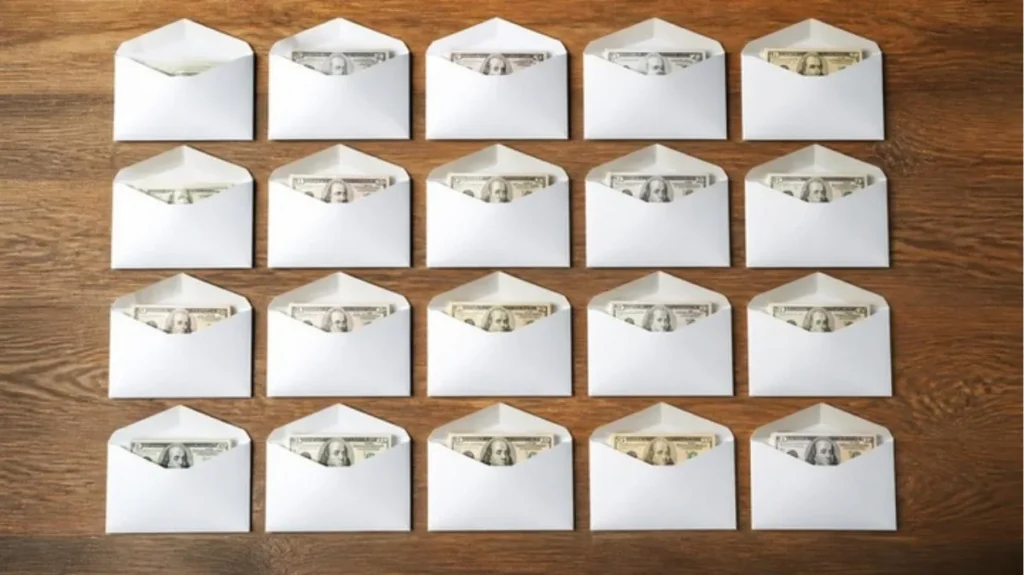
A savings challenge turns your goal into a game. Here are three simple options to make how to save 10k in a year more fun:
- The weekly $192 challenge: Save $192.31 every week for 52 weeks. It is simple, steady, and easy to automate.
- The double 100 envelope challenge: Number 100 envelopes from 1 to 100. Each day or so, pick one and save that amount. One round adds up to $5,050, so completing it twice in a year gets you to $10,100.
- The paycheck percentage challenge: Start by saving 10% of each paycheck, then raise it by 1% every month until you are on track for $10,000.
How to Save 10K in 6 Months
If you want to move faster, saving $10,000 in six months means setting aside about $1,667 a month, or roughly $385 a week. That usually requires both deep spending cuts and a strong boost in income, such as overtime, a second job, or a busy side hustle. Selling a car or another large item can also help you reach the goal early.
Where to Keep Your $10K Savings
Money you plan to use within a year or two should stay safe and easy to reach. A high-yield savings account at an FDIC-insured bank is usually the best choice. Avoid putting short-term savings into the stock market, because prices can drop right when you need the money. Once your $10K goal is reached, you can decide whether part of it should become an emergency fund, a down payment, or a long-term investment.
Frequently Asked Questions
Is it possible to save 10k in a year?
Yes. Saving 10k in a year requires about $833 a month or $192 a week. Many people reach it by combining a strict budget, automatic savings, and extra income from a side hustle or overtime.
How much should I save per paycheck to save 10k in a year?
If you are paid every two weeks, save about $385 per paycheck. If you are paid twice a month, save about $417 per paycheck. If you are paid weekly, save about $193 per paycheck.
What is the 10k savings challenge?
A 10k savings challenge is a plan to save $10,000 in one year, usually by saving a fixed weekly amount or following a structured method like the 100 envelope challenge completed twice.
How can I save 10k in a year on a low income?
Focus on your largest expenses, save every windfall, and add extra income wherever you can. If $10,000 is not realistic this year, set a smaller goal and build from there. Progress matters more than perfection.
Final Thoughts on How to Save 10K in a Year
Learning how to save 10k in a year comes down to a clear goal, a realistic plan, and automation. Break $10,000 into weekly or per-paycheck amounts, keep the money in a separate high-yield account, cut your biggest costs, and add extra income where you can. Stick with it for 12 months, and you will finish the year with $10,000 and habits that will keep paying off long after. For more ways to free up cash, check out our saving money tips.







1 Comment